
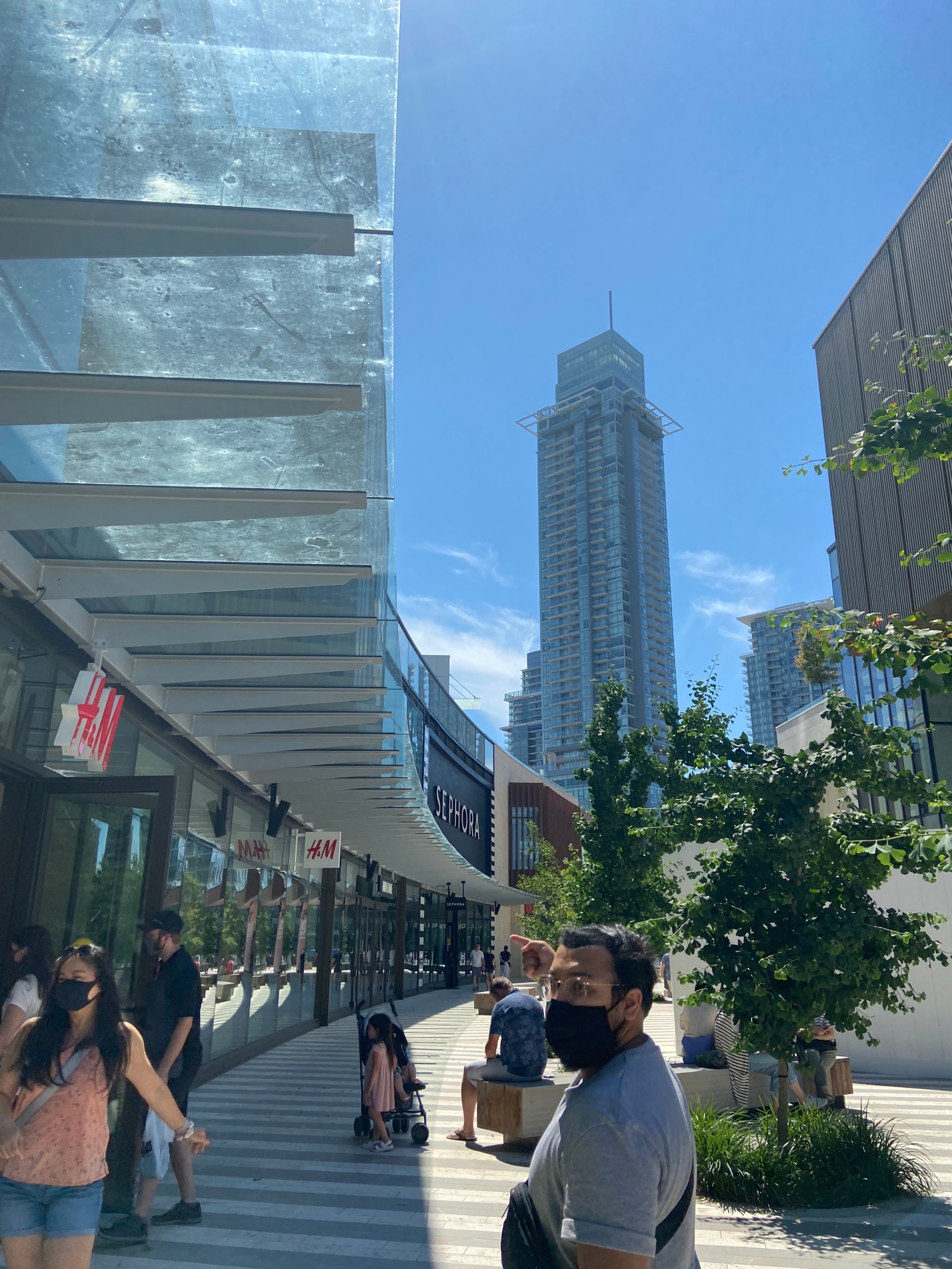
One of the most interesting parts of being a Burnaby resident is watching the city grow. Its population is set to reach 314,000 by 2031, approximately 1.6% per year. From my living room window on the top of Kingsway Ridge, I’ve seen the Brentwood neighbourhood go from a midcentury style mall to a lineup of uber-tall towers. And in my backyard, Metrotown changes in a similarly staggering way.
In 2016, my best friend Sahil and I approached the end of high school. We had made it through five long years at Moscrop Secondary, and decided to pair up for our final AP Human Geography project. In more ways than one, it was a last hurrah.
Our project topic? New Urbanism. This planning concept includes people-centred streets and mixed use blocks, that are denser than the more familiar urban sprawl we see in Metro Vancouver. And at the time, the most exciting place we could study this concept was Brentwood.
In 2016, there was a lot of buzz about the upcoming Amazing Brentwood urban development. An area that had previously been dominated by single family homes, a mall, and a SkyTrain station was set to be Burnaby’s next hub.
Recently, Sahil and I visited the completed Phase 1 development. Although some stores have yet to open, it has begun to function as a mixed-use block. This visit prompted me to write about Brentwood once again, and see how it measures up to our high school findings.
The Vision
Interestingly, when Brentwood Town Centre was first developed in the 1960s, the goal was to make it high-density, but the demand was too low, like many places in in suburban North America (see the awesome blog post from David Pereira).
However, the desire for higher density and rapid transit networks never disappeared. The Millennium Line gave Brentwood new connection in 2002. The master plan for The Amazing Brentwood was announced in 2013, and now its first main phase has opened.
Its vision, as Sahil and I researched in 2016, included: transit, shopping and dining, entertainment, service and security, architecture, amenities, views, and value.
An important part of Geography is getting into the space you are studying, when possible. So Sahil and I took the bus down Willingdon, traversed construction scaffolding, and marched right into the condo presentation centre. Shenanigans ensued.
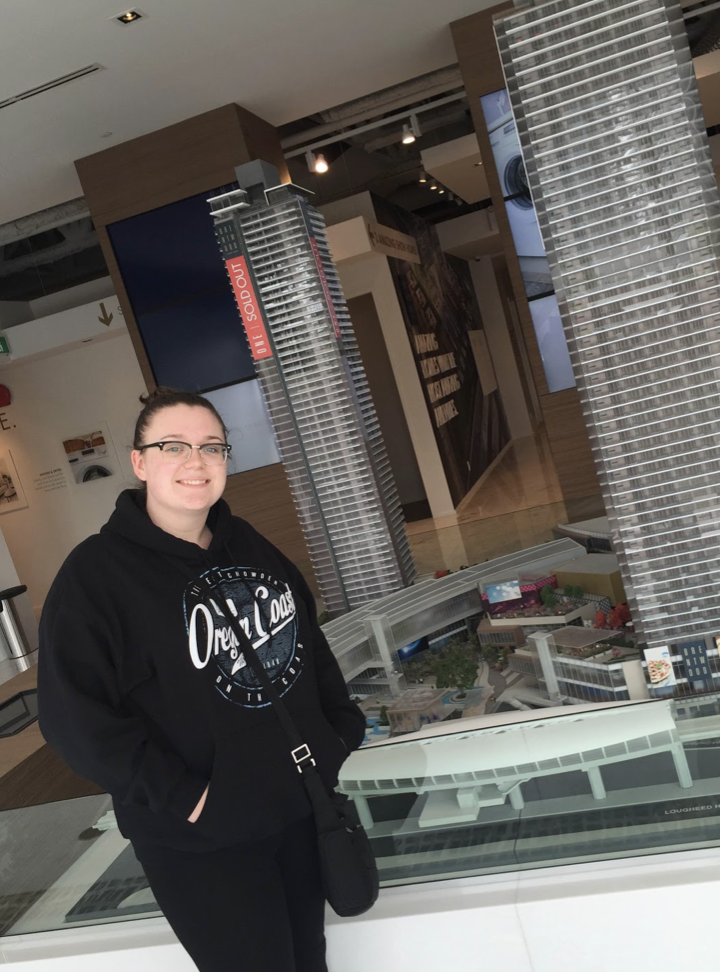
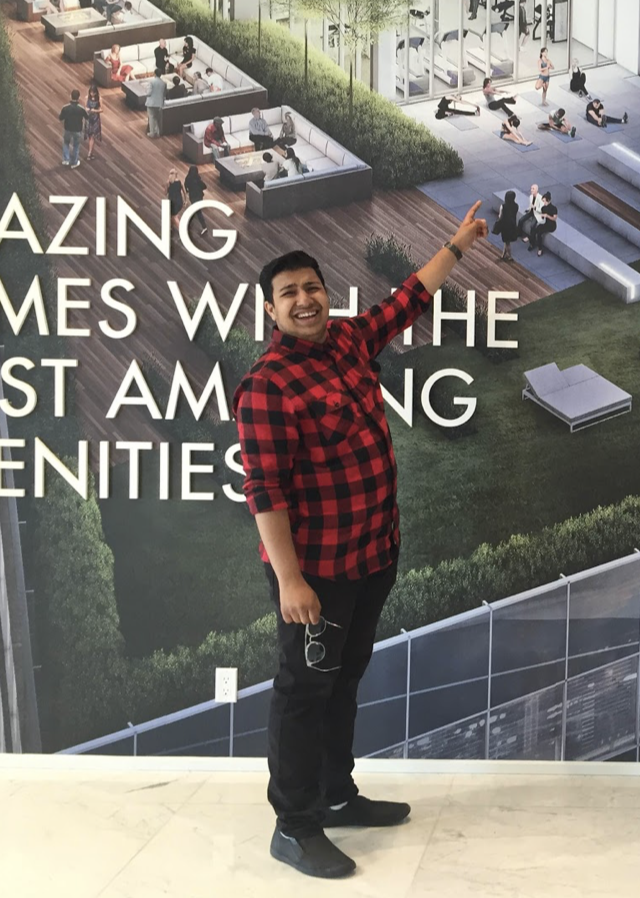
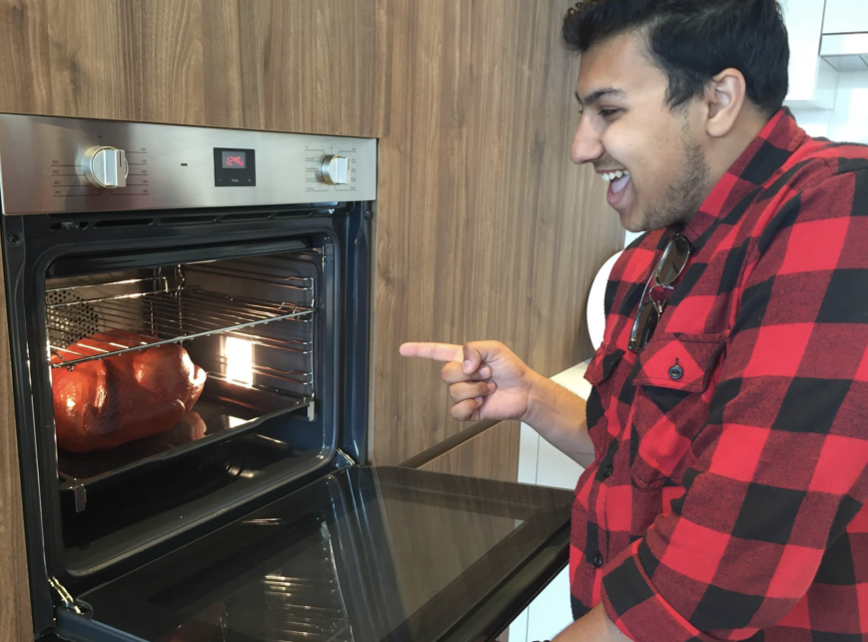
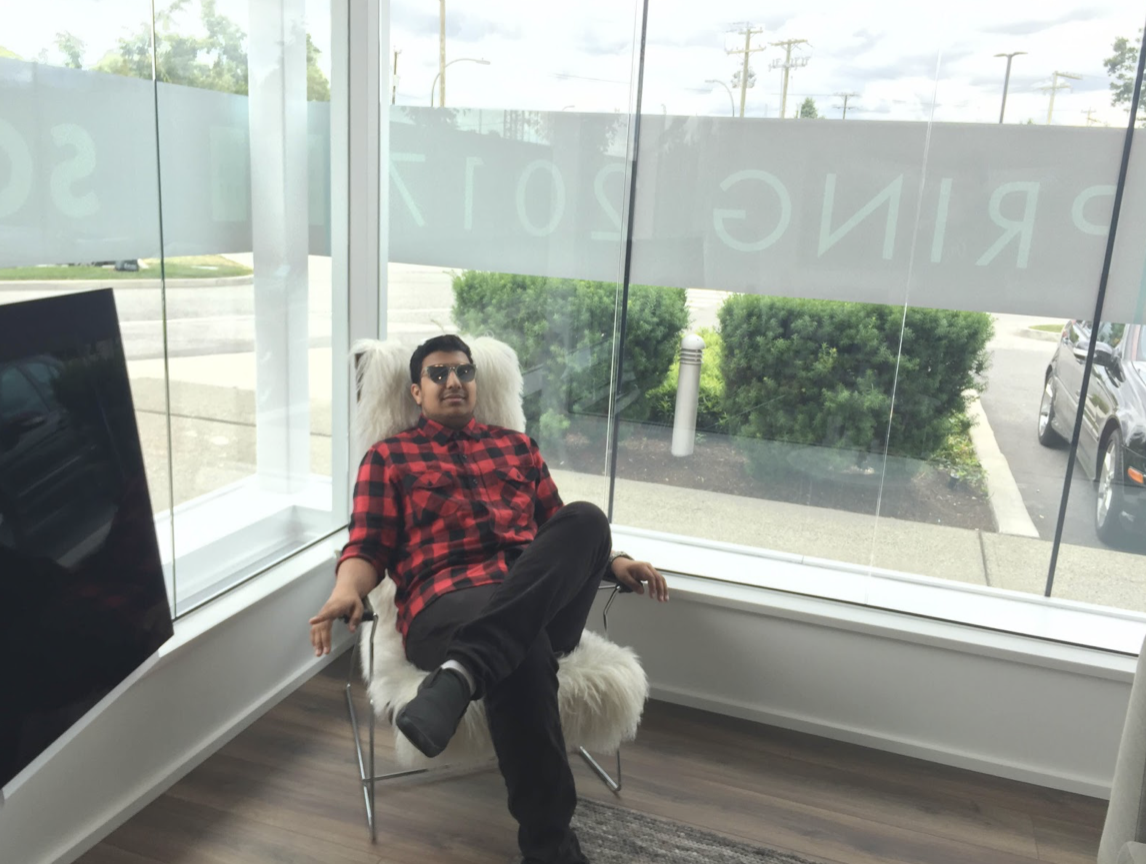
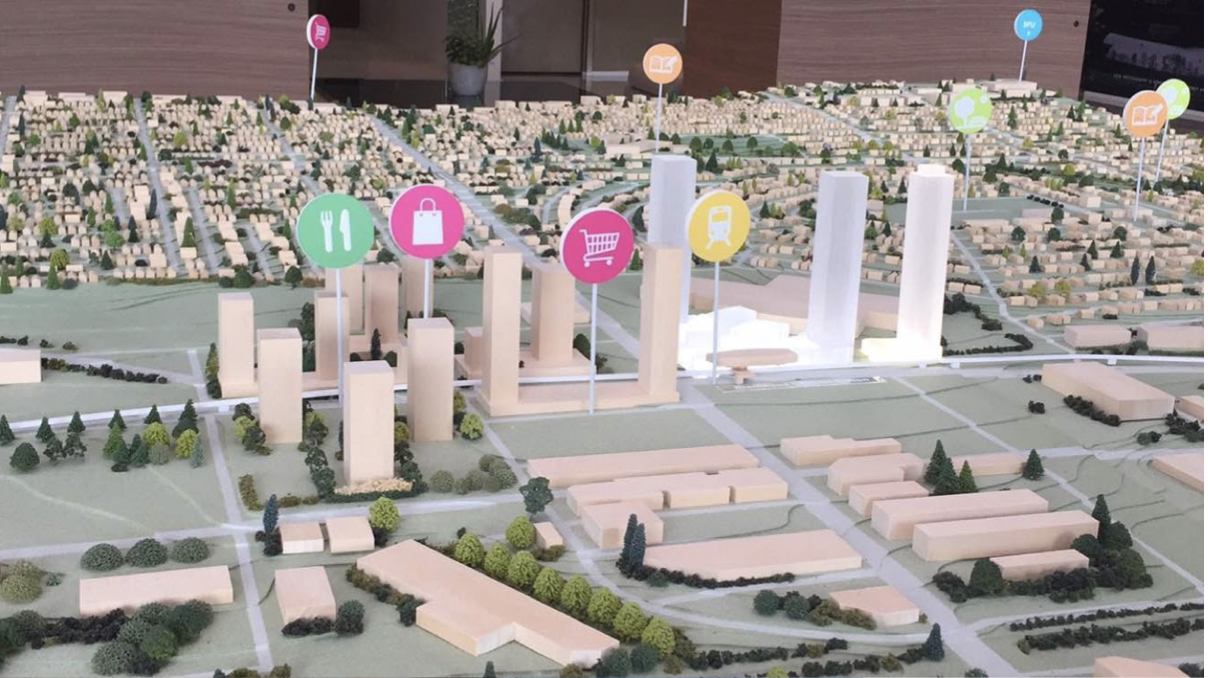
In the presentation centre, more key goals were displayed in a delightful gentrifying font.
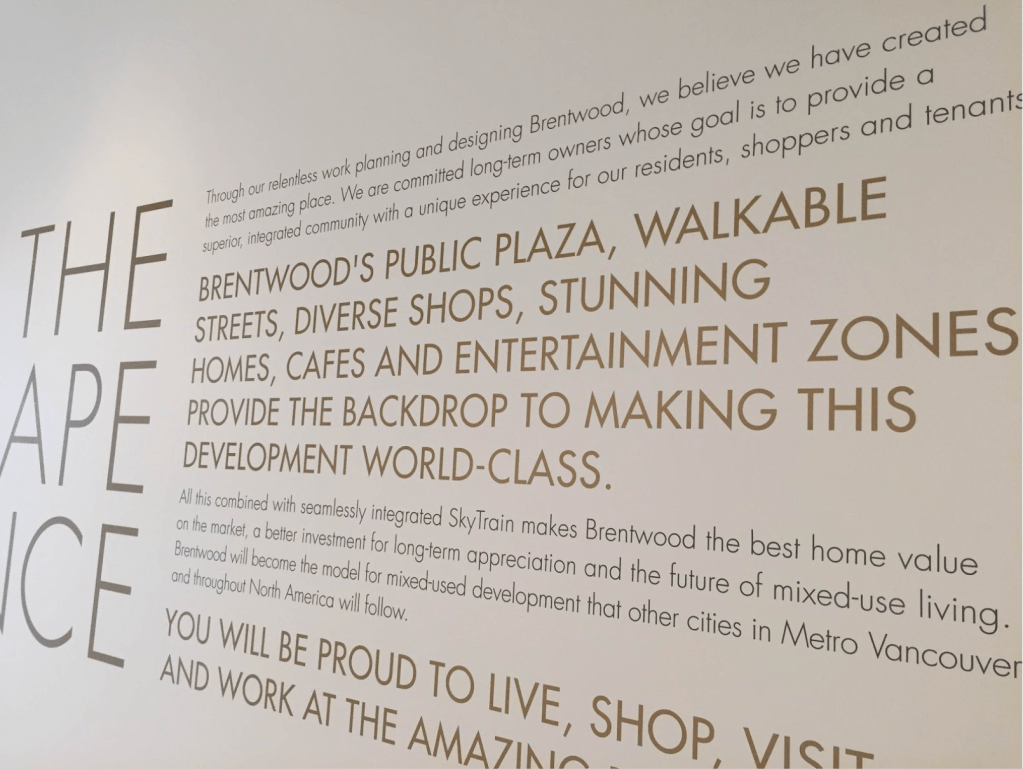
Phase one visit
Dazzling, grand, and modern. Like a little Emerald City. The skyscrapers do just that; they scrape the sky. From across town, they still stick out, but smaller buildings are going up like bamboo shoots all along the Millennium Line.
The shopping centre itself is unique for Burnaby. Smaller than Metrotown, but larger than Station Square, the outdoor promenades of The Amazing Brentwood is reminiscent of downtown Los Angeles. Tall glass store fronts, perfectly manicured plants, and a full-service food court. It also boasts a ginormous theatre-entertainment complex embedded within the site.
What baffles me the most: the food court is connected to the old Brentwood Mall! You can stare right into the old shopping centre from the brand-new space. I am glad the new mall didn’t wipe out the previous businesses and legacy. It holds a bit of sentimental value: my first job was at the Brentwood Sears!
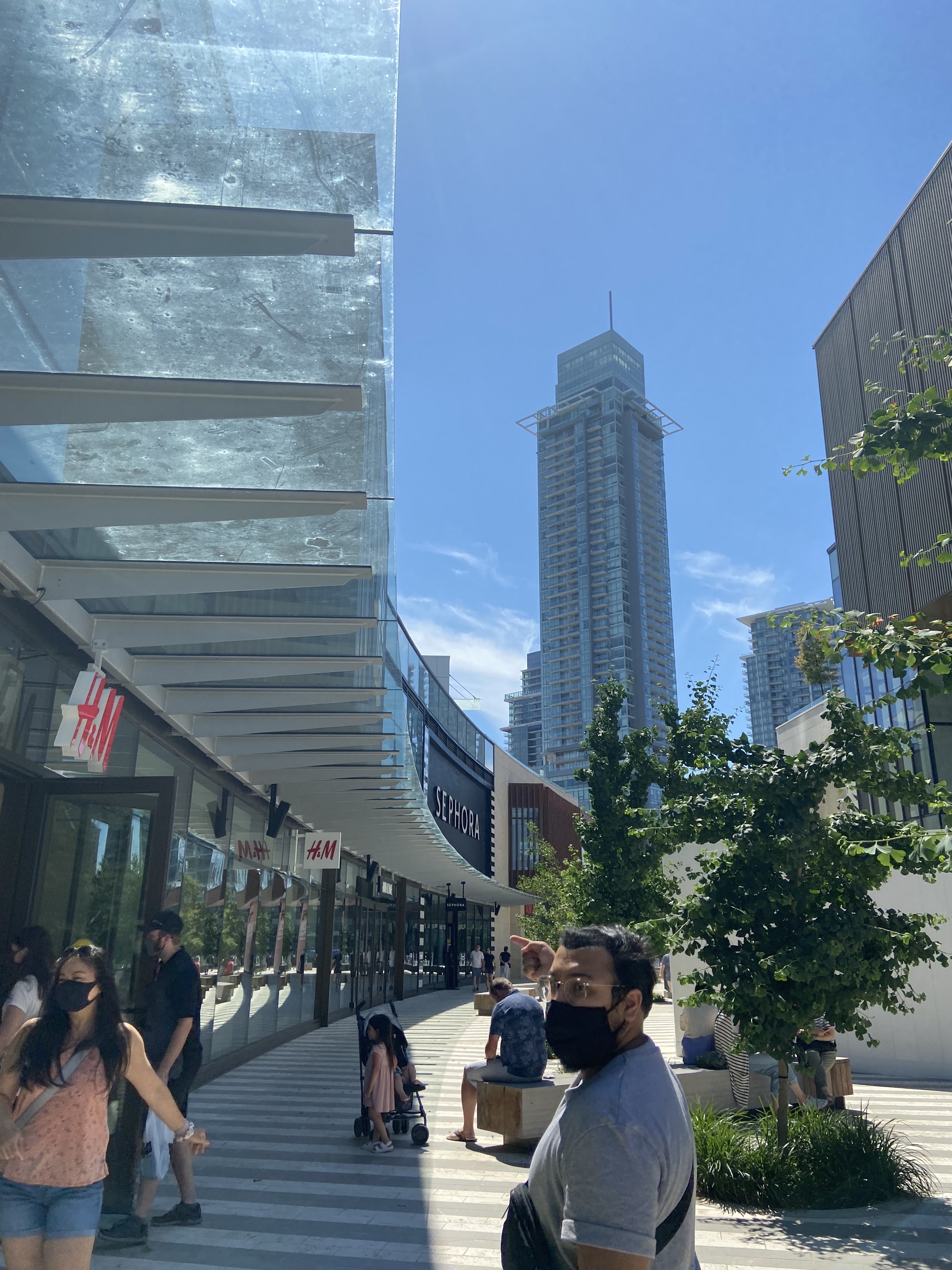
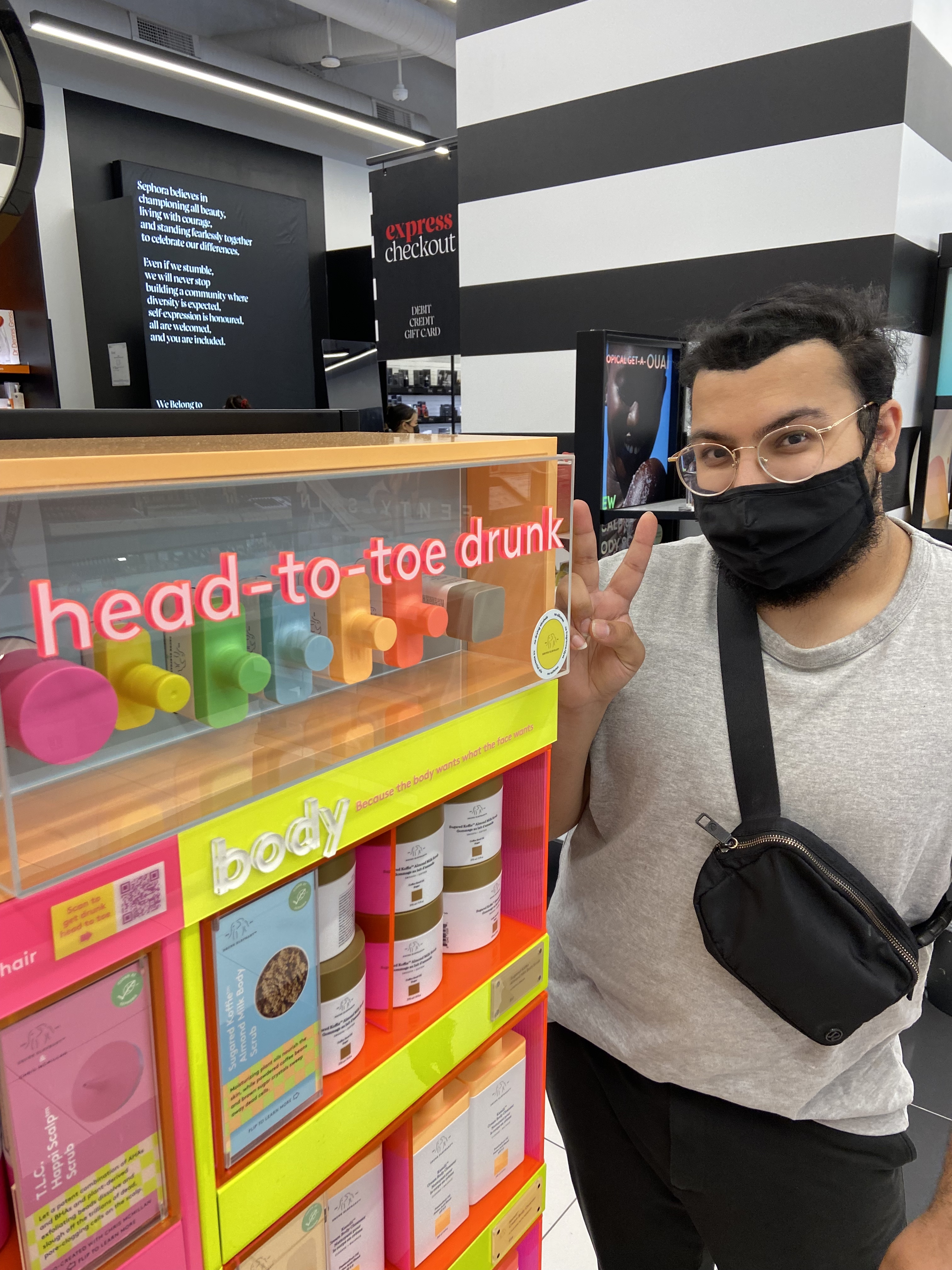
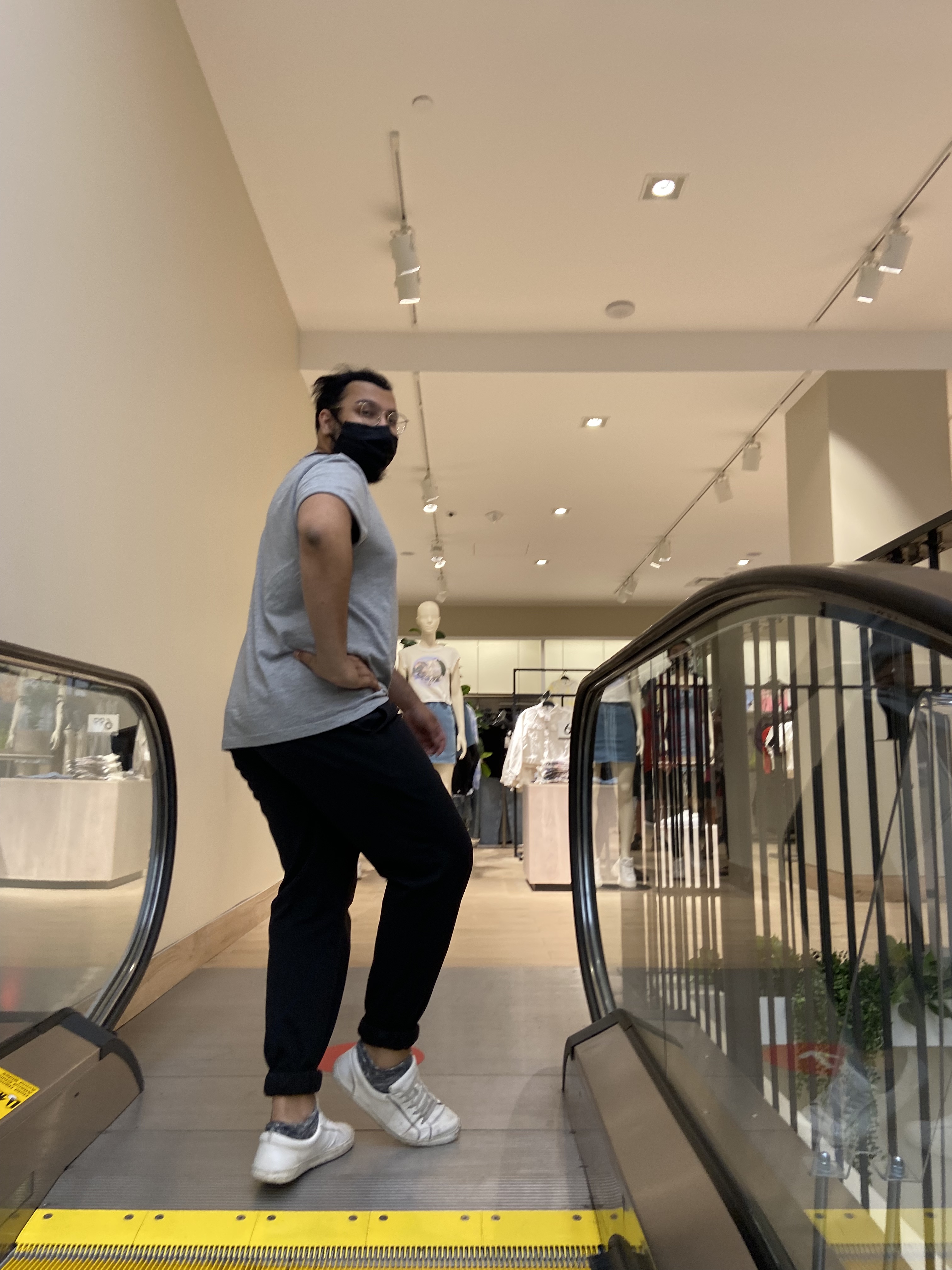
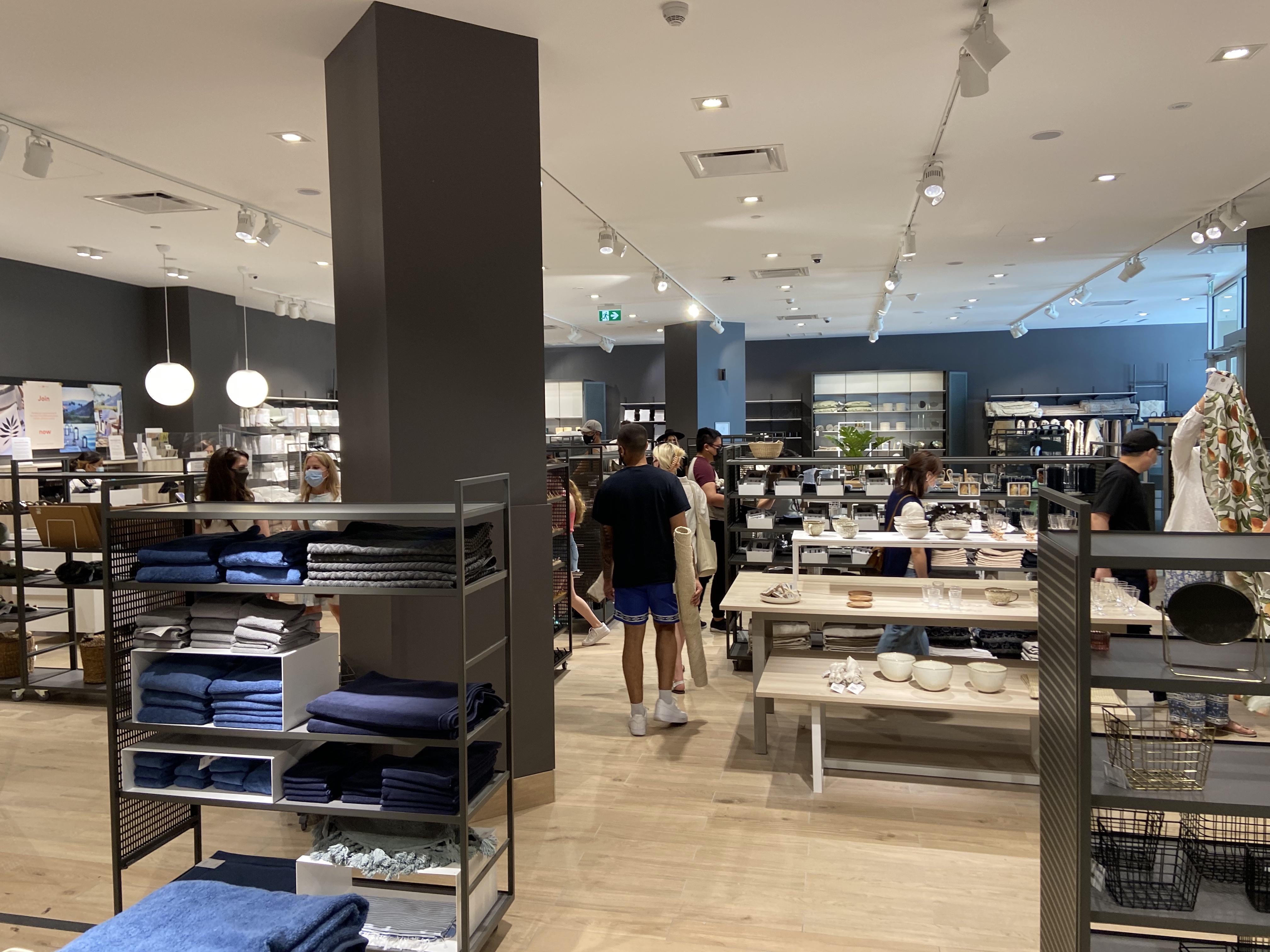
Here are a couple other pictures from another visit to the new promenade. The next component of the development is Tower Six, to sit at the northwest corner of the mall lot.
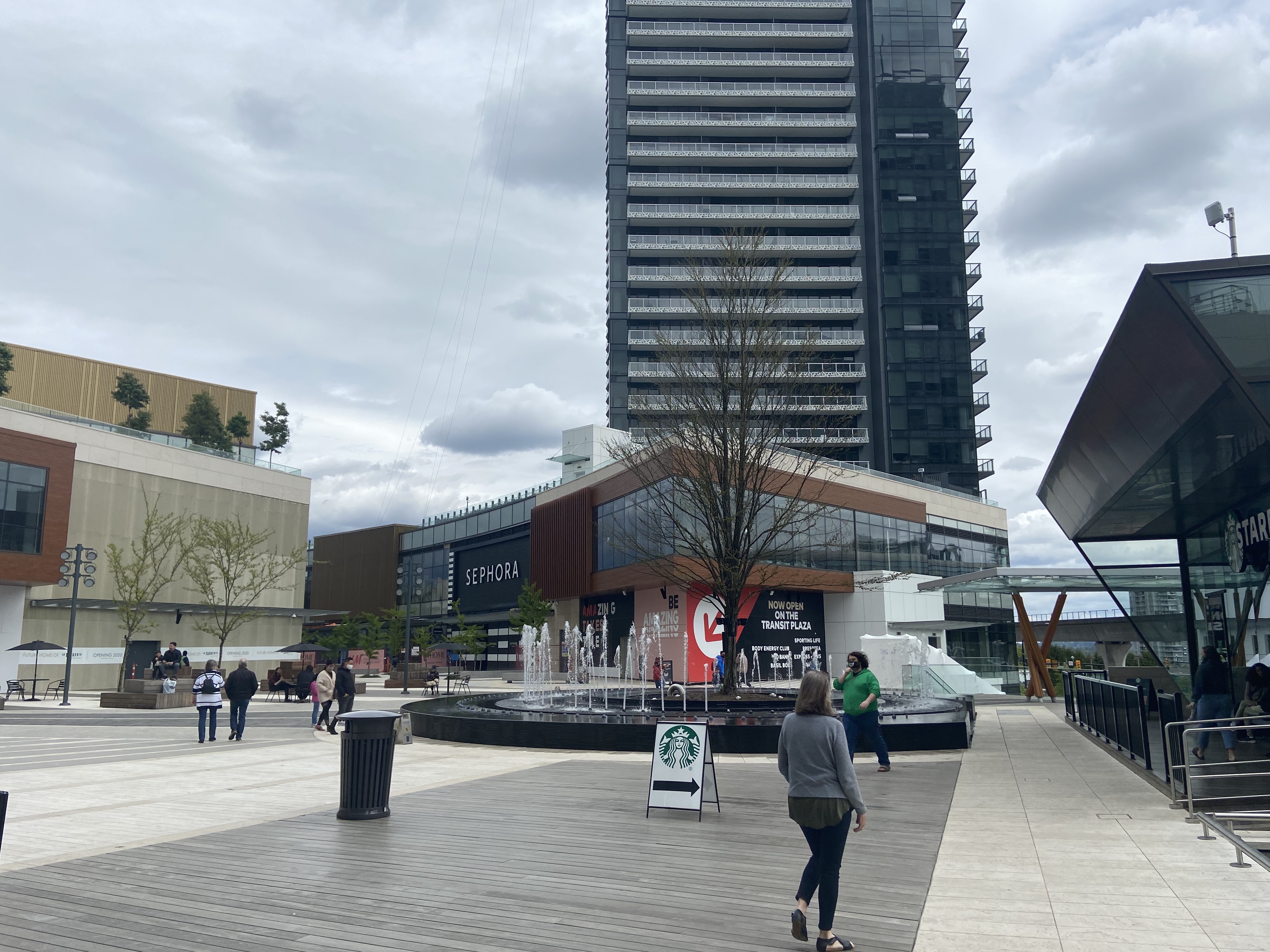
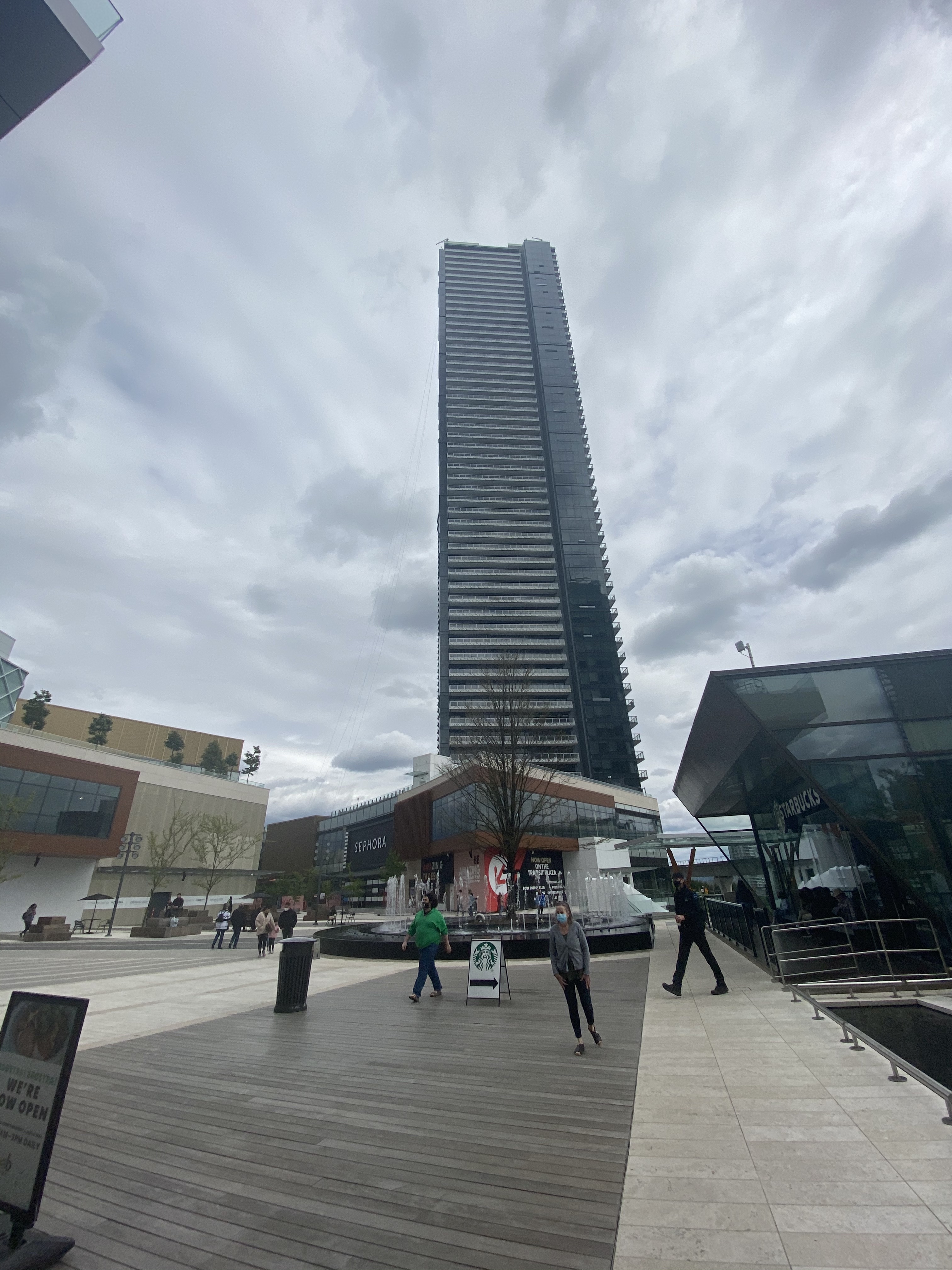
Overall, The Amazing Brentwood is as stunning as the digital renderings Sahil and I saw 5 years ago. But what I care most about is how the development will serve the community and contribute to a healthy urban landscape.
Does Brentwood hit the mark?
As a Geography student, I could write on and on about Burnaby’s urbanization: where it is ahead of the game for suburbs, and where it falls behind on equity and decolonization.
In short, I am disappointed that the provincial government requires a relatively small percentage of rental units in every new glittery high-rise. They should be subsidizing some units so that more people can afford to live by the train. Having 1 million dollar condos everywhere makes it unrealistic for kids like me to live in the city that nurtured us all these years.
All types of Burnabarians deserve to live well, and enjoy the mixed use, walkable, connected spaces that are being built. And unfortunately, it seems Brentwood is catering to a higher-class clientele – as is Metrotown.
There is no easy solution to this, but I encourage you to express the need for equitable housing to your elected officials.
Critiques of New Urbanism
In Geography and Planning circles, there has been a noticeable amount of criticism for New Urbanism (Ellis, 2002). There is room for improvement regarding traffic, environmental impact of building new vs. retrofitting, equity, and other aspects. But overall, it is becoming a more widely accepted planning model for cities around the world.
If I took one thing away after our grade 12 project, it is that cities like Burnaby need to rise up, not spread out. The environmental, economic, and cultural impacts of car-centric sprawl has left the world in a climate crisis. And in order to support 10 billion + people, with proximity to food, services, and transit, New Urbanism is one way to do it. I guess soon enough, we won’t be calling it “New” anymore.
SFU’s Eugene McCann put it well: New Urbanism is “as much a social movement as a set of design ideas”, and it must be “an attention to the specific political, social, institutional, and local contexts that we are addressing” (McCann and Ward, 2010, p. 180-181). If places like Brentwood, Lougheed, Edmonds, and Metrotown can keep this close in mind, I think the model can foster equitable communities.
Moving on and up
Not to get too mushy here, but I love Burnaby. I have spent 23 years puttering around this beautiful city and region, and the next chapter of my life may or may not be here. That is exciting and scary. But what I have been able to take from a degree at SFU Environment is that the complex, dynamic, and beautiful world around us is worth thinking hard about. No matter where I go, I will stay curious about the built environment.
Thanks for nerding out with me again.
Academic Sources
Ellis, Chris. “The New Urbanism: Critiques and Rebuttals.” Journal of Urban Design, vol. 7, no. 3, 2002, pp.261-291., doi:10.1080/1357480022000039330.
Mccann, Eugene, and Kevin Ward. “Relationality/Territoriality: Toward a Conceptualization of Cities in the World.” Geoforum, vol. 41, no. 2, 2010, pp. 175–184., doi:10.1016/j.geoforum.2009.06.006.
 marina miller